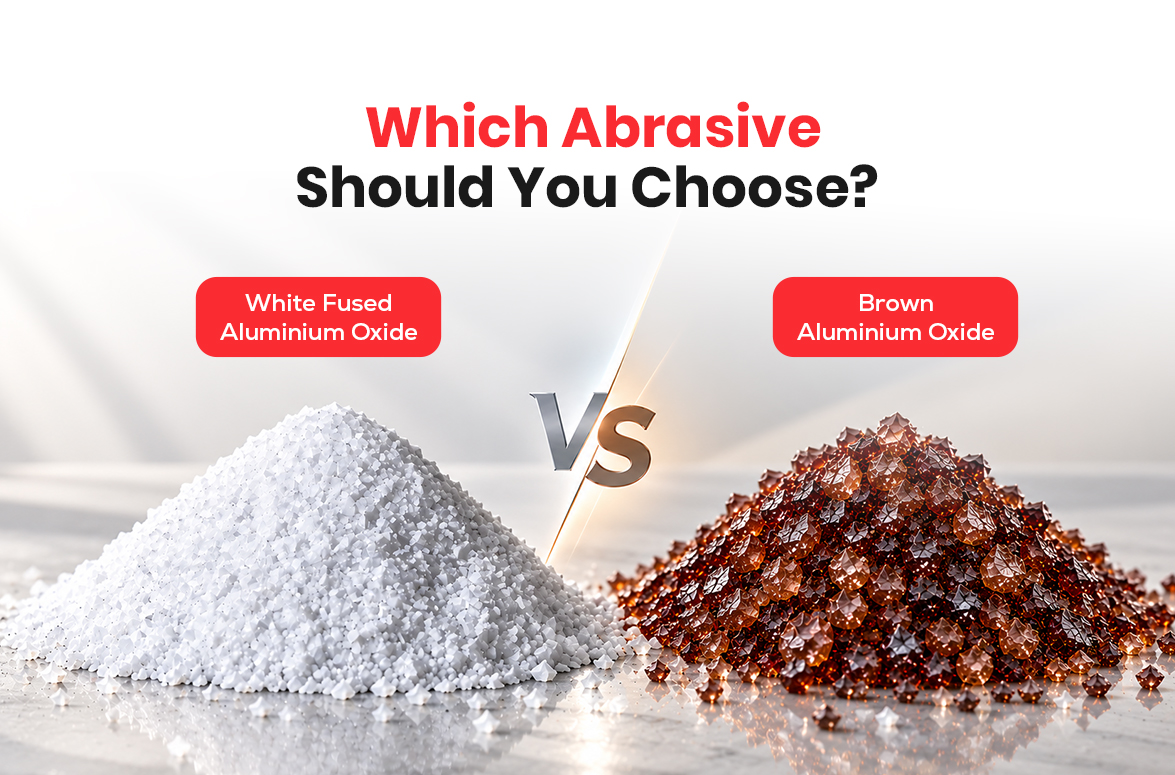
If you are planning for surface preparation, then abrasives are essential materials, as they clean, smooth and texture surfaces to ensure coatings, paints, or adhesives bond effectively. Abrasives remove rust, scale and all buildup layers to create the right profile for durability. There are commonly two types of aluminium oxide abrasives that are used: white fused and brown. White fused aluminium oxides are known for their high purity and sharp cutting ability that makes them ideal for precision applications. On the other hand, brown aluminium oxide is affordable in comparison to white and offers toughness. Basically, it is suited for heavy-duty tasks like surface cleaning of bridges.
What Is White Fused Aluminium Oxide?
White fused aluminium oxide is a high-purity synthetic abrasive produced by melting refined alumina in an electric arc furnace at extremely high temperatures. The resulting material is crushed and screened into different granulations for industrial use.
One of the main characteristics of white fused alumina is its high aluminium oxide content, which is usually above 99%. Also, it contains quite low levels of iron, titanium and other impurities. Thus, in spaces where contamination or discolouration needs to be minimised, white fused alumina can be easily used.
This abrasive has a Mohs hardness of about 9 and can therefore provide excellent cutting and grinding capabilities, while its relatively friable nature allows individual grains to fracture and expose a fresh cutting edge, making it suitable for precision grinding, polishing, lapping and surface finishing.
What Is Brown Aluminium Oxide?
Brown aluminium oxide is formed when bauxite is fused in an electric arc furnace. It differs from white fused alumina since it contains traces of titanium oxide, iron oxide and other minerals which give it its characteristic brown colour.
The aluminium oxide content is generally between 94-97% depending on the grade. The addition of these impurities renders it tougher and more resistant to impact than white fused alumina. This makes it well suited for such applications as grinding, blasting and surface preparation. It is also typically less expensive than white fused alumina and thus a more economical choice for such applications where high purity is not a concern.
White Fused Alumina vs Brown Fused Alumina
The difference between the two materials can be understood by comparing their key properties:
| Property | White Fused Alumina | Brown Fused Alumina |
| Aluminium oxide content | Generally 99%+ | Generally 94-97% |
| Colour | White | Brown/reddish-brown |
| Hardness | Around 9-9.1 Mohs | Around 9 Mohs |
| Toughness | Relatively lower | Higher |
| Purity | Very high | High |
| Friability | Higher | Lower |
| Cost | Generally higher | Generally lower |
| Best suited for | Precision and contamination-sensitive work | Heavy-duty and general industrial work |
Difference on the Basis of Purity and Performance
Purity and performance are the biggest differences between these two abrasives. White fused alumina oxide contains a higher level of aluminium oxide and has very little iron and titanium content in the mixture. Because of this property, when white fused alumina is used in surface preparation, it leaves next to no stains on the material used.
Because of this property, it is a good choice for materials like stainless steel, aerospace parts, electronics, and other precision work. It’s also good for fine finishing, lapping, and polishing, where a clean, smooth surface really matters.
Brown fused alumina is different. It’s not considered as pure as the white fused, but it is built for toughness and value. Also, it is affordable in comparison to other materials. So, it works well when strength and cost matter more than a perfectly clean finish.
Difference in Toughness and Cutting Action
What really sets these two aluminium oxide abrasives apart isn’t their hardness; it is how the grains behave under pressure. Brown fused alumina is built tough. Its composition gives it excellent impact resistance, so it holds up well in heavy-duty grinding and blasting work like stripping rust, old coatings and other stubborn buildup off surfaces.
White fused alumina, on the other hand, is more friable by nature. The grains break down more easily during use, which constantly exposes sharp new cutting edges. That might sound like a downside, but it’s actually an advantage in precision work, where you need controlled cutting and a clean, fine finish.
So, the real takeaway is this: don’t pick between the two just based on hardness ratings. Both are hard materials in their own way, but what determines the right choice is how the grains break down and perform under different working conditions.
Applications of White Aluminium Oxide Abrasive
White aluminium oxide abrasive is commonly selected for applications where purity, precision and a clean surface finish are important.
Its uses include:
- Precision grinding and polishing
- Lapping applications
- Surface finishing
- Optical component processing
- Electronics and semiconductor applications
- Stainless steel surface preparation
- Aerospace component finishing
- Ceramics and refractory applications
- Glass engraving and decorative blasting
Its low level of iron-bearing impurities makes it particularly useful where surface contamination or staining must be avoided.
Applications of Brown Aluminium Oxide
Brown aluminium oxide is widely used for heavy-duty and general-purpose abrasive applications. Its toughness and comparatively lower cost make it suitable for high-volume industrial work.
Common applications include:
- Abrasive blasting
- Metal surface preparation
- Rust and coating removal
- Grinding wheels
- Sandpaper and coated abrasives
- Deburring
- Automotive component processing
- Construction applications
- Anti-slip flooring and coatings
- General metal fabrication
It is particularly effective when working with carbon steel, cast iron and other ferrous materials where trace iron contamination is not a major concern.
How Does Cost Affect the Choice?
Price is another important consideration when selecting between the two abrasives. Brown fused alumina tends to be the more budget-friendly option, largely because it’s made from bauxite and doesn’t go through the same intensive purification process that white fused alumina requires. However, the additional cost can be justified for brown aluminium oxide abrasive when an application requires low contamination, precision or a cleaner finish.
White fused alumina costs more, and there’s a reason for that. It uses a more refined raw material, achieves higher purity, and is built for more specialised applications. That said, the extra cost isn’t wasted money if your application demands low contamination, tight precision, or a really clean finish.
So it often comes down to scale and requirements. For large-volume operations where the budget matters more than perfection, brown fused alumina usually makes more economical sense. But when the job calls for higher performance standards, white fused alumina tends to earn back its higher price tag through better results.
Brown Fused Alumina Vs White Fused Alumina: Which Is Better?
There is no single answer to brown fused alumina vs white fused alumina because both materials serve different purposes and its purpose narrows down to what your requirement is. Brown fused alumina works best when you need something tough and reliable for heavy, high-volume jobs, and it won’t break the bank either. White fused alumina makes more sense when purity, precision, and keeping contamination to a minimum matter the most.
A few things can help you figure out which one fits your needs, including the substrate you’re working with, the kind of finishing you are looking for your material, the operating conditions, grit size, and of course, your budget. At the end of the day, don’t just go with whichever one looks right or costs less. Let the actual job requirements do the deciding.
FAQs
1.What is the difference between white fused aluminium oxide and brown aluminium oxide?
The major difference between the two lies in abrasive hardness. White fused aluminium oxide offers higher purity and slightly greater hardness, while brown aluminium oxide provides greater toughness. Both are durable abrasives suited to different industrial applications and requirements.
2.Which is harder: white or brown aluminium oxide?
Keyword: surface finishing
White fused aluminium oxide is generally slightly harder and more friable than brown aluminium oxide. Its sharp grains make it suitable for precision surface finishing and controlled material removal applications.
3.Is white fused aluminium oxide better for precision grinding?
White fused aluminium oxide is preferred in precision grinding applications since it has a high degree of purity, sharp cutting edges and a friable structure, all of which enable controlled removal of material and a finer finish.
4.Which aluminium oxide abrasive is better for blasting applications?
Brown aluminium oxide is commonly preferred as blasting media because its tough grains withstand repeated impact. White fused aluminium oxide suits blasting applications where higher purity and reduced surface contamination are important.
5.How do I choose between white and brown aluminium oxide?
Before you choose between these two abrasives, consider the application and the required finish of the material, followed by the workpiece and budget. White aluminium oxide suits precision work, while brown aluminium oxide offers greater abrasive grain toughness, durability and cost-effectiveness for heavy-duty applications.
References:
https://hlh-js.com/resource/blog/brown-vs-white-aluminum-oxide-which-should-you-use/
https://sanhuiabrasives.com/blog/white-vs-brown-fused-alumina.html
https://aluminasourcing.com/blog/what-is-white-fused-alumina/
https://wfabrasive.com/corundum-white-properties-uses/